

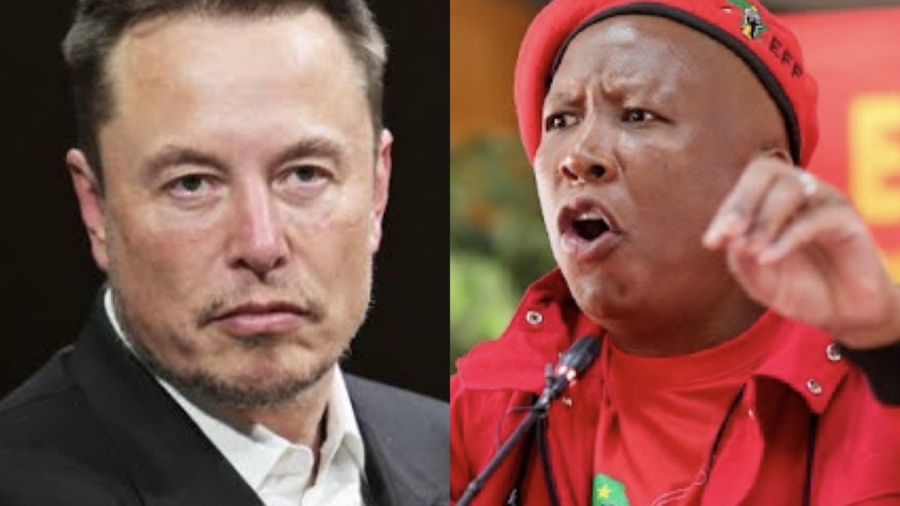
South African politician Julius Malema, leader of the Economic Freedom Fighters (EFF), and tech entrepreneur Elon Musk are involved in a heated dispute following accusations of incitement to genocide.
The controversy started when Musk accused the EFF of promoting the genocide of white people in South Africa. The allegation came after Malema was accused of using the song “Kill the Boer” at a political rally.
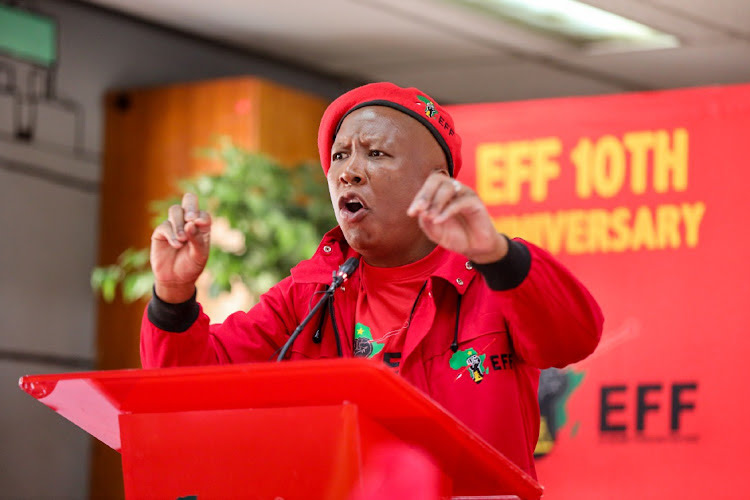
Malema angrily denied Musk’s accusations and fired back, stating that Musk is “talking nonsense” and attempting to ruin the EFF’s reputation. Malema declared that the EFF is committed to promoting equality and addressing historical injustices, rather than advocating violence or genocide.
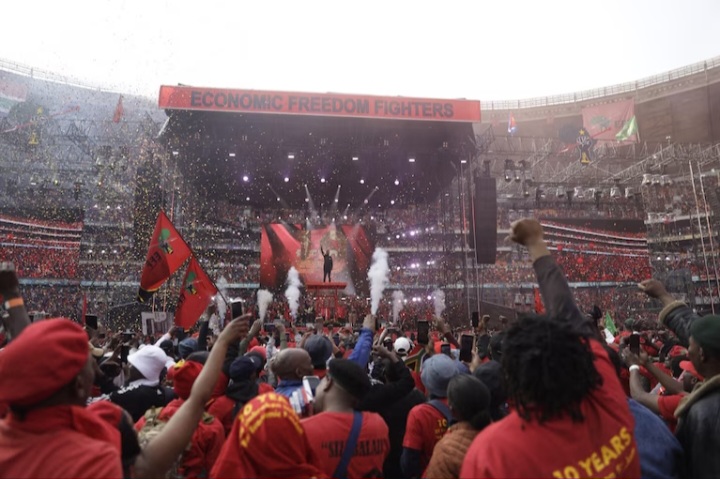
The dispute between Malema and Musk has captured significant attention, with media outlets closely covering the exchange of accusations. It has also ignited discussions about freedom of speech, political rhetoric, and the responsibility of public figures.
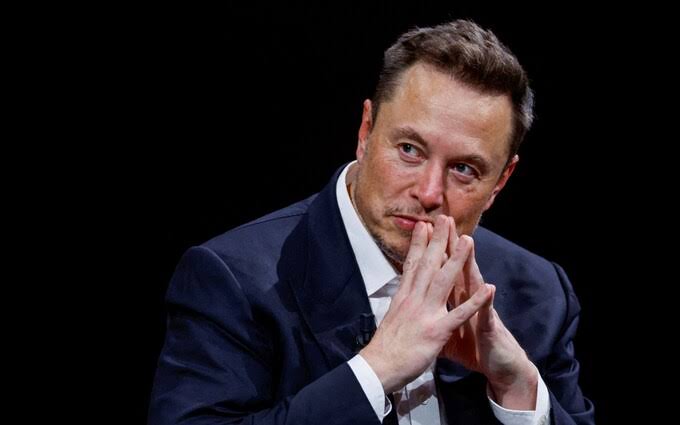
Both Malema and Musk hold influential positions in their respective fields, and their clash has polarized public opinion. Supporters of the EFF defend Malema’s stance, highlighting the party’s commitment to economic and social reforms. Meanwhile, Musk’s supporters argue that he has a right to express concerns about potential violence and advocate for peaceful solutions.
The accusation of genocide is a serious and sensitive matter, evoking memories of the country’s tragic history, and the exchange of words between Julius Malema and Elon Musk over allegations of genocide has drawn widespread attention in South Africa.
As the country navigates this controversy, it is crucial for Malema and Musk to engage in meaningful discussions and find common ground to address the underlying issues.
SHARE YOUR THOUGHTS BELOW
Written by: Mavis Mutasa
Images: X, Getty, Business Live
Follow @orgellaent on social media for more updates


Add a Comment